Behaviour for Learning
BFL
Behaviour for Learning
BFL Support Programmes @ O’Fiaich:
- RELATE
- Check and Connect
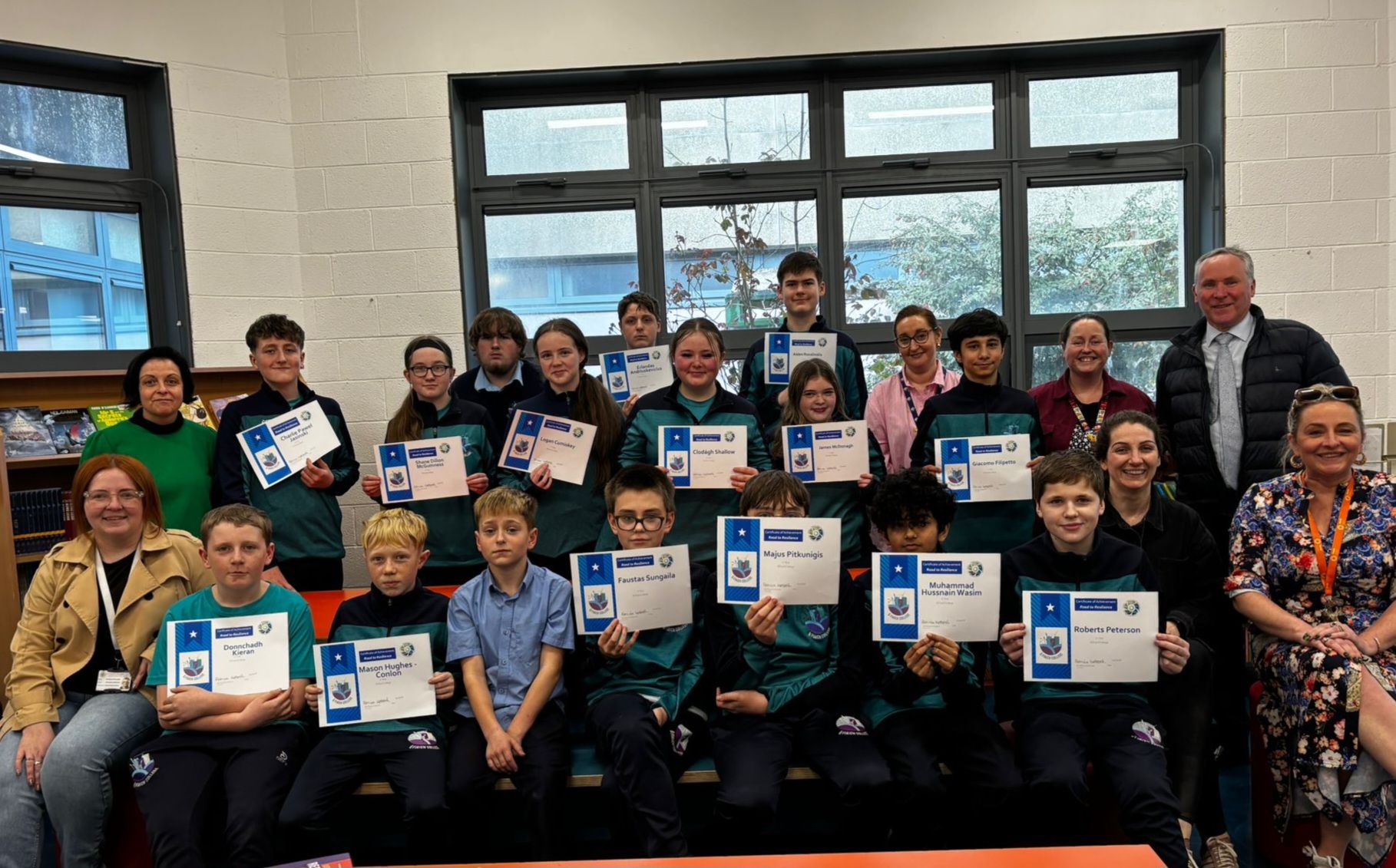
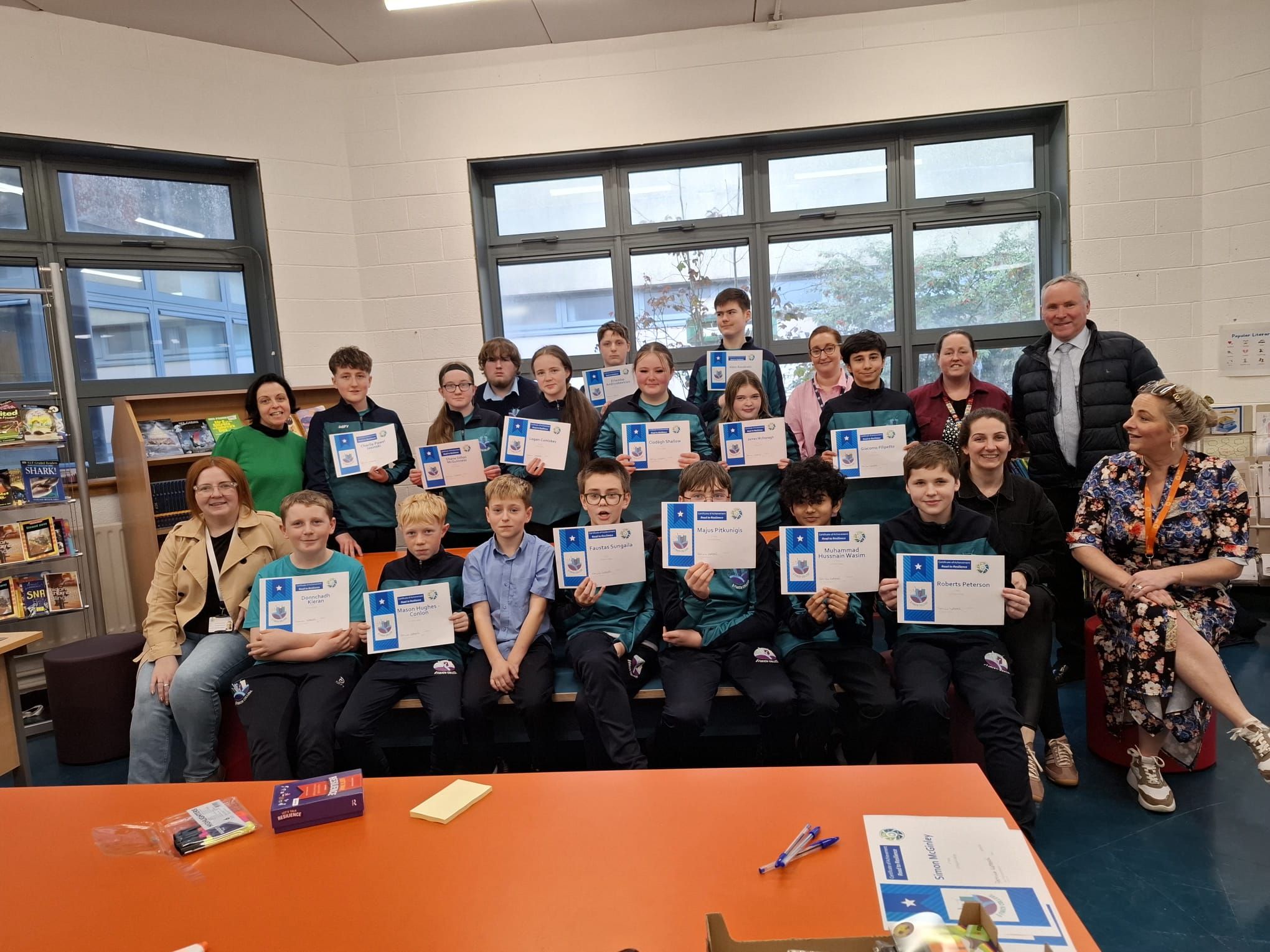
- Road to resilience
- Starving the exam gremlin
- People skills
- Friends for life
- RELATE getting to know me
RELATE
BFL
The Behaviour for Learning teacher will
A student who can manage themselves and important information will suit this subject. Creative students who can communicate ideas as well as think critically and rationally will succeed. It is also important that students can work with others co-operatively and effectively. Finally, it is important students should be literate and numerate so to explain and explore options and alternatives.
BFL Support Programmes @ O’Fiaich:
Check and Connect
Check and Connect is an intervention designed to enhance student’s engagement in school. NCSE school advisors work with partner schools on the implementation of this intervention which consists of four key elements:
- An adult mentor who keeps education relevant for students. This is done school wide through the SET, (Special Education Team)
- Systematic monitoring (the “check” component).
- Timely and individualised intervention (the “connect” component).
Enhancing home-school communication and home support for learning. - Each mentor links with an identified student, checking in weekly to discuss how he/she is doing and offering support in a number of ways. For example:
- Providing ongoing, consistent and timely monitoring of a student’s progress throughout the week.
- Implementing timely interventions to support and promote student achievement and wellbeing.
- Problem solving, fostering resilience and building positive relations with the student to overcome challenges.
Getting it Together
Organisational Skills Programme. The aims of this programme are to:
- Support students in developing their understanding and awareness of organisational skills and their importance in school and daily life, by implementing strategies that will have a positive impact on their ability to learn and participate in school.
BFL
Behaviour for Learning
BFL Support Programmes @ O’Fiaich:
Check and Connect
Check and Connect is an intervention designed to enhance student’s engagement in school. NCSE school advisors work with partner schools on the implementation of this intervention which consists of four key elements:
- An adult mentor who keeps education relevant for students. This is done school wide through the SET, (Special Education Team)
- Systematic monitoring (the “check” component).
- Timely and individualised intervention (the “connect” component).
Enhancing home-school communication and home support for learning. - Each mentor links with an identified student, checking in weekly to discuss how he/she is doing and offering support in a number of ways. For example:
- Providing ongoing, consistent and timely monitoring of a student’s progress throughout the week.
- Implementing timely interventions to support and promote student achievement and wellbeing.
- Problem solving, fostering resilience and building positive relations with the student to overcome challenges.
Getting it Together
Organisational Skills Programme. The aims of this programme are to:
- Support students in developing their understanding and awareness of organisational skills and their importance in school and daily life, by implementing strategies that will have a positive impact on their ability to learn and participate in school.
BFL
The Behaviour for Learning teacher will
A student who can manage themselves and important information will suit this subject. Creative students who can communicate ideas as well as think critically and rationally will succeed. It is also important that students can work with others co-operatively and effectively. Finally, it is important students should be literate and numerate so to explain and explore options and alternatives.
BFL Support Programmes @ O’Fiaich:
Check and Connect
Check and Connect is an intervention designed to enhance student’s engagement in school. NCSE school advisors work with partner schools on the implementation of this intervention which consists of four key elements:
- An adult mentor who keeps education relevant for students. This is done school wide through the SET, (Special Education Team)
- Systematic monitoring (the “check” component).
- Timely and individualised intervention (the “connect” component).
Enhancing home-school communication and home support for learning. - Each mentor links with an identified student, checking in weekly to discuss how he/she is doing and offering support in a number of ways. For example:
- Providing ongoing, consistent and timely monitoring of a student’s progress throughout the week.
- Implementing timely interventions to support and promote student achievement and wellbeing.
- Problem solving, fostering resilience and building positive relations with the student to overcome challenges.
Getting it Together
Organisational Skills Programme. The aims of this programme are to:
- Support students in developing their understanding and awareness of organisational skills and their importance in school and daily life, by implementing strategies that will have a positive impact on their ability to learn and participate in school.
BFL
The Behaviour for Learning teacher will
A student who can manage themselves and important information will suit this subject. Creative students who can communicate ideas as well as think critically and rationally will succeed. It is also important that students can work with others co-operatively and effectively. Finally, it is important students should be literate and numerate so to explain and explore options and alternatives.
BFL Support Programmes @ O’Fiaich:
Check and Connect
Check and Connect is an intervention designed to enhance student’s engagement in school. NCSE school advisors work with partner schools on the implementation of this intervention which consists of four key elements:
- An adult mentor who keeps education relevant for students. This is done school wide through the SET, (Special Education Team)
- Systematic monitoring (the “check” component).
- Timely and individualised intervention (the “connect” component).
Enhancing home-school communication and home support for learning. - Each mentor links with an identified student, checking in weekly to discuss how he/she is doing and offering support in a number of ways. For example:
- Providing ongoing, consistent and timely monitoring of a student’s progress throughout the week.
- Implementing timely interventions to support and promote student achievement and wellbeing.
- Problem solving, fostering resilience and building positive relations with the student to overcome challenges.
Getting it Together
Organisational Skills Programme. The aims of this programme are to:
- Support students in developing their understanding and awareness of organisational skills and their importance in school and daily life, by implementing strategies that will have a positive impact on their ability to learn and participate in school.